
Chancellors
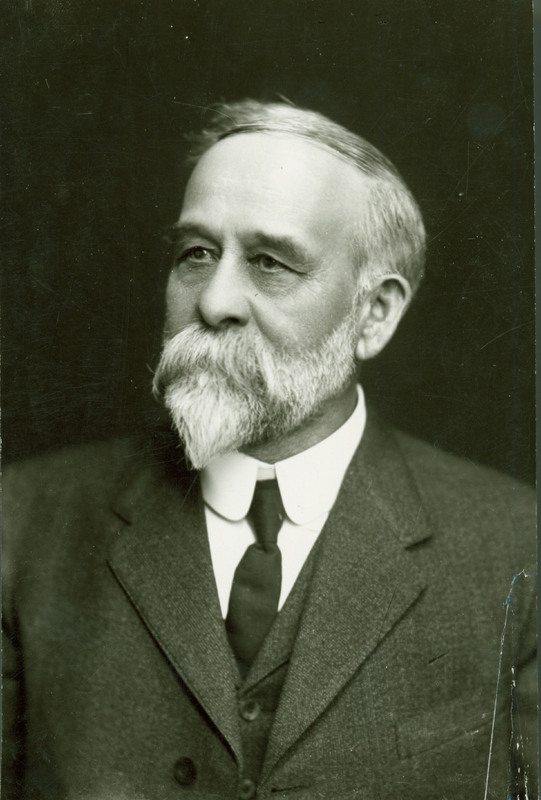
Charles E. Bessey stood in as acting Chancellor from 1888 until 1891, and his actions during these years were imperative to the survival and growth of the University. Bessey exerted his efforts to promote the Industrial College and the experiment station at UNL. He published articles in the Nebraska Farmer to convince farm boys to receive a higher education that was necessary for their success in farming. Bessey received much criticism from the legislature in terms of agricultural decisions for the college, and a bill was contemplated that would separate the agricultural college from the rest of the University. Due to the ending of the legislative session, the bill was postponed, and Bessey with the Board of Regents succeeded in keeping scientific agriculture connected to the University. At this point, Bessey was not satisfied with this result; he attempted to strengthen the Industrial College by placing all science classes in that particular college. Despite hardships and arguments, this period of the University was marked by a new hope for a bright future. Bessey, with the assistance of Board of Regents President Charles Gere [Geyer], appointed James H. Canfieldto fill the position of Chancellor which gave the University the stimulus to create this anticipated future. [Manley 108-110]
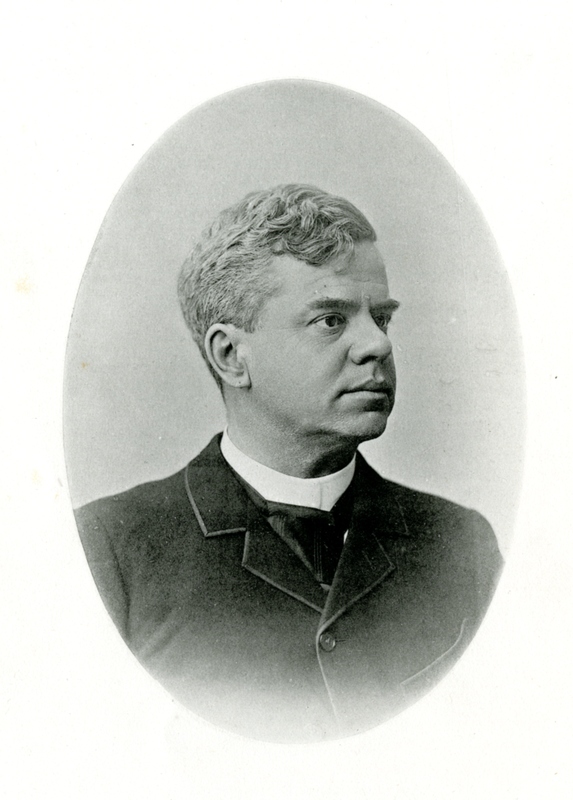
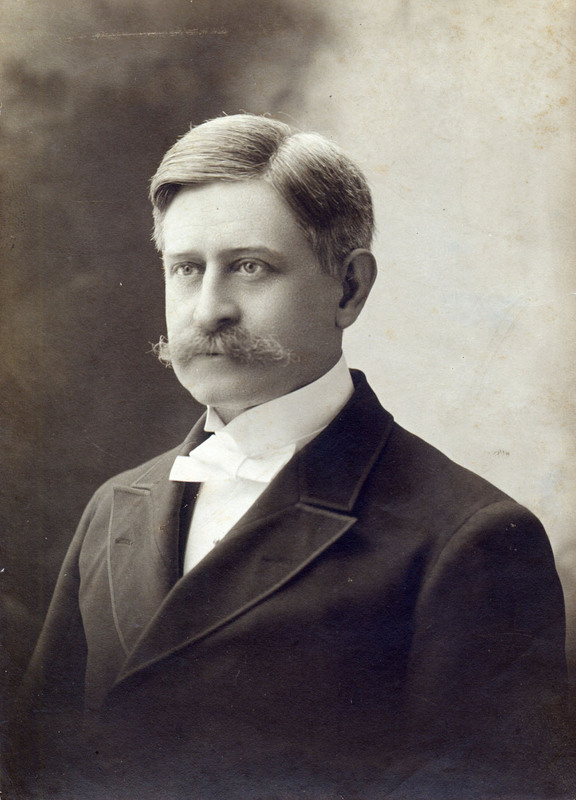
When he left, James Canfield recommended George MacLean to be the new Chancellor. MacLean never achieved the same popularity on campus as Canfield, though he undoubtedly impacted the University. MacLean organized the faculty from a general grouping into separate departments for each college. MacLean's perspective on teachers' roles forever shaped the way the University was run; he began to incorporate research into the job description. [Knoll 38] MacLean faced much opposition which stemmed from the Populist Revolt. [Manley 120] Similar to Canfield's administration, George MacLean and the Board of Regents of the late 1890s were forced to deal with difficult financial situations, which they discussed in their meetings. Success was found when the 1899 legislature session allotted a fair amount of money for the University. The University of Iowa offered MacLean a position in June 1899, and he accepted. His resignation did not upset any current students or faculty. [Knoll 40]