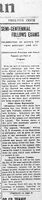
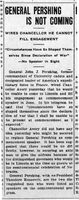
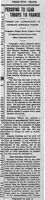
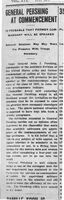
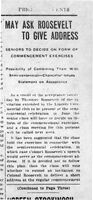
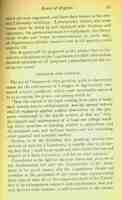
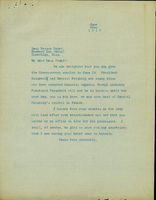
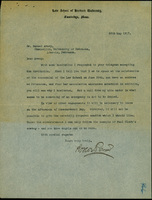
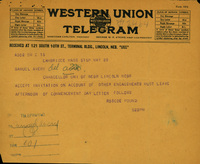
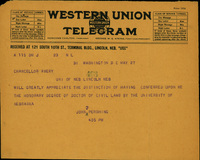
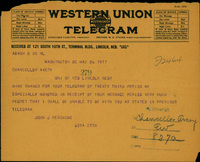
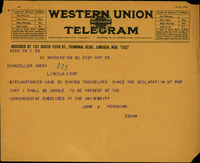
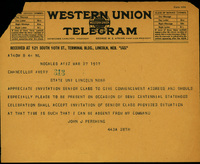
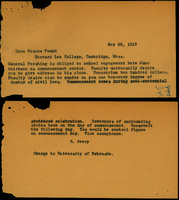
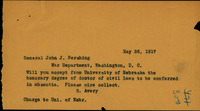
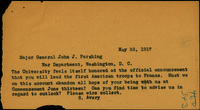
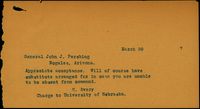
Daily Nebraskan article about the possibility of Roosevelt giving a Commencement speech. Roosevelt was to be in Lincoln for Nebraska's semi-centennial celebration. Chancellor Avery issued a statement about the suggestions for Roosevelt to participate in Commencement ceremonies.
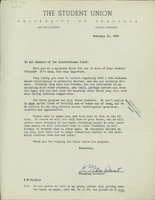
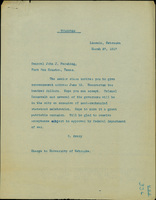
A letter from the Managing Director of the Student Union, K. F. Van Sant discussing the need for faculty to spot students that were "socially dormant" and recommend them to the Union board, where they would be invited to come participate in what the Student Union had to offer.
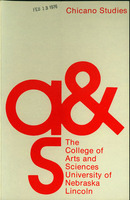
This is an image of the front cover only of the Chicano Studies pamphlet distributed by the college of Arts and Sciences in 1976 (click on thumbnail to enlarge image).
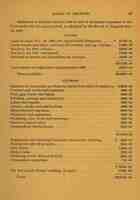
The Regents appeared to be satisfied with their relations with the state legislature, as the only mention of the land endowment in 1890 came under the Receipts and Expenditures section.
Again it can be seen that the university's income continued to grow as the interest on the invested funds continued to grow exponentially.
In this passage, the Regents call attention to the original language used in both the Morrill Act and the Nebraska State Constitution. It would seem the Regents felt their role in the economics of the university was being superseded by the state government. State senators must have taken notice of this argument, as the Regents fail to make mention of this issue in subsequent publications.
Brief accounting numbers are also delivered. From these numbers it is evident that the university's income was increasing from the endowed land.
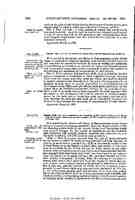
The bureaucratic process of funding in relation to the land endowment is again further detailed.This article particularly highlights the the idea of racial separation, specifically "separate but equal."
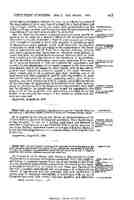
The Federal Government sought to tighten down on the specifics of the federally endowed land. This was a reactive measure to fight against land speculators.
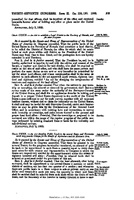
This is the the critical first step that allowed for the eventual creation of the University of Nebraska. The language in the bill is straightforward. States were granted 30,000 acres of federal land for each congressional representative. From this land,the land was to be sold so that an agricultural college could be formed.